High trading fees can significantly eat into your cryptocurrency profits. Whether you’re a day trader or long-term investor, finding platforms that offer minimal to zero fees can dramatically improve your returns. This comprehensive guide explores everything you need to know about buying and selling crypto with no-to-low fees, comparing the best platforms, and implementing strategies to minimize costs.
Why Cryptocurrency Trading Fees Matter
Cryptocurrency trading fees might seem insignificant at first glance, but they can substantially impact your overall returns, especially for active traders. A mere 0.5% fee on each transaction quickly compounds when you’re regularly buying and selling assets.
For example, if you invest $10,000 in Bitcoin and pay a 1% fee, you’re immediately down $100 before your investment even has a chance to grow. If you then sell when your investment reaches $11,000 and pay another 1% fee, that’s another $110 lost. Your actual profit becomes $790 instead of $1,000 – a 21% reduction in profits due to fees alone.
For day traders executing multiple transactions daily, these fees can quickly erode profits or even turn potential gains into losses. That’s why finding exchanges with no-to-low fees is crucial for maximizing your cryptocurrency investment returns.
Ready to Stop Overpaying on Crypto Trades?
Compare the top low-fee exchanges and start maximizing your crypto profits today.
Understanding Different Types of Cryptocurrency Fees
Before diving into specific platforms, it’s essential to understand the various fees you might encounter when trading cryptocurrency. Not all fees are created equal, and some platforms may advertise “zero fees” while making up for it in other ways.
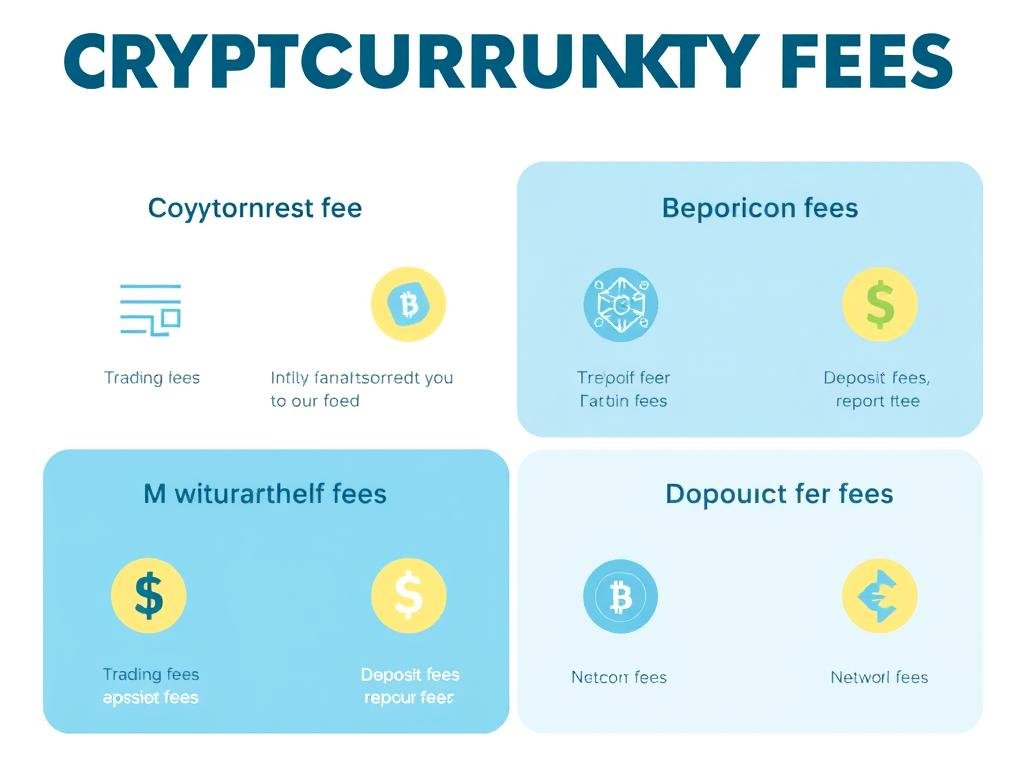
Trading Fees
These are the most common fees charged when buying or selling cryptocurrency. They typically range from 0% to 1.5% per transaction and may differ between “makers” (those who add orders to the order book) and “takers” (those who take orders from the order book).
Withdrawal Fees
Charged when transferring cryptocurrency from an exchange to your personal wallet. These fees vary widely between platforms and cryptocurrencies. Some exchanges charge a flat fee, while others charge a percentage of the withdrawal amount.
Network Fees
Also known as blockchain fees or gas fees, these are paid to cryptocurrency miners or validators to process transactions on the blockchain. These fees aren’t set by exchanges but vary based on network congestion. However, some exchanges mark up these fees or charge additional processing fees.
Deposit Fees
Some platforms charge fees when you deposit fiat currency (like USD or EUR) or cryptocurrency. These can be flat fees or percentages and may vary based on your payment method (credit card, bank transfer, etc.).
Spread Fees
Instead of charging explicit trading fees, some platforms make money on the spread – the difference between the buying and selling price. This can sometimes be less transparent than straightforward trading fees.
“The key to minimizing cryptocurrency costs isn’t just finding platforms advertising ‘zero fees’ – it’s understanding all fee types and how they affect your specific trading pattern.”
Comparison of Major Cryptocurrency Exchanges with Low Fees
Let’s examine some of the most popular cryptocurrency exchanges that offer competitive fee structures. Remember that fees can change, so always verify the current rates on the exchange’s official website before trading.
| Exchange | Trading Fees | Withdrawal Fees | Special Features | Best For |
| Binance | 0.1% standard; can be reduced to 0.075% by paying with BNB | Varies by cryptocurrency | Huge selection of cryptocurrencies, advanced trading tools | Experienced traders seeking variety |
| Coinbase Pro | 0.5% for takers, 0.5% for makers | Network fee only | High liquidity, strong security | Beginners seeking security |
| Kraken | 0.16% for takers, 0.26% for makers; volume discounts available | Varies by cryptocurrency | Strong security, margin trading | Security-conscious traders |
| KuCoin | 0.1% standard; can be reduced by holding KCS tokens | Varies by cryptocurrency | Wide range of altcoins, trading bots | Altcoin traders |
| Robinhood Crypto | 0% (makes money on spread) | Free to external wallets | Simple interface, commission-free | Beginners and stock traders |
Start Trading with Lower Fees Today
Create an account on one of these top exchanges and start saving on every transaction.
Platforms Specifically Designed for Fee-Free Trading
Some cryptocurrency platforms have made “zero fees” their primary selling point. Let’s examine these options and understand how they make money despite not charging direct trading fees.
Robinhood Crypto
Robinhood pioneered commission-free trading in the stock market and extended this model to cryptocurrency. They make money through payment for order flow, interest on cash balances, and premium subscription services.
Pros: Truly zero trading fees, intuitive interface, integration with stock trading
Cons: Limited cryptocurrency selection, no external wallet transfers until recently
Strike
Focused primarily on Bitcoin, Strike offers zero-fee Bitcoin purchases and transfers. They make money through other financial services and business partnerships.
Pros: No fees for Bitcoin purchases, instant transfers, Lightning Network support
Cons: Limited to Bitcoin, not available in all regions
FTX US (Formerly BlockFolio)
FTX US offers zero trading fees for market orders that don’t provide immediate liquidity. They make money on limit orders and other services.
Pros: Zero fees for market orders, solid mobile app, good selection of cryptocurrencies
Cons: Higher fees for limit orders, not available worldwide
Important Note: “Zero-fee” platforms typically make money in other ways, such as wider spreads between buy and sell prices or by routing orders in ways that may not always get you the absolute best market price. Always consider the total cost of trading, not just the advertised fee structure.
Experience True Zero-Fee Trading
Sign up for Robinhood Crypto and start trading with no commission fees.
Strategies to Minimize Fees When Buying and Selling Crypto
Beyond choosing low-fee platforms, there are several strategies you can implement to further reduce your cryptocurrency trading costs:
“The most sophisticated crypto traders don’t just look for low-fee exchanges – they strategically structure their trading to minimize costs at every step of the process.”
Ready to Implement Advanced Fee-Saving Strategies?
Get started with Binance and use BNB to reduce your trading fees by 25%.
Risks and Considerations When Choosing Low-Fee Platforms
While minimizing fees is important, it shouldn’t be your only consideration when choosing a cryptocurrency exchange. Here are some potential risks and trade-offs to be aware of:
Benefits of Low-Fee Exchanges
- More of your money goes toward actual investments
- Higher potential returns, especially for active traders
- Ability to make smaller trades profitably
- More flexibility in trading strategies
Potential Drawbacks
- Some low-fee exchanges may have security compromises
- Customer support might be limited
- Hidden costs in spreads or withdrawal fees
- Less regulatory compliance in some cases
- Lower liquidity on smaller exchanges
Security Considerations
Always prioritize security over slightly lower fees. Research the exchange’s security history, insurance policies, and regulatory compliance. Two-factor authentication, cold storage of assets, and regular security audits are essential features to look for.
Liquidity Factors
Lower-fee exchanges sometimes have less liquidity, which can result in slippage – getting a worse price than expected when your order executes. This hidden cost can sometimes exceed what you would have paid in fees on a more liquid exchange.
Regulatory Compliance
Exchanges with proper regulatory compliance tend to be more reliable but may have slightly higher fees to cover compliance costs. Consider whether the exchange is licensed in your jurisdiction and follows proper KYC (Know Your Customer) and AML (Anti-Money Laundering) procedures.
Pro Tip: Consider using different exchanges for different purposes. You might use a zero-fee platform for frequent small trades and a more established exchange with slightly higher fees for larger transactions or long-term holdings where security is paramount.
Step-by-Step Guide for Beginners to Start Trading with Minimal Fees
If you’re new to cryptocurrency trading and want to get started while minimizing fees, follow this straightforward guide:
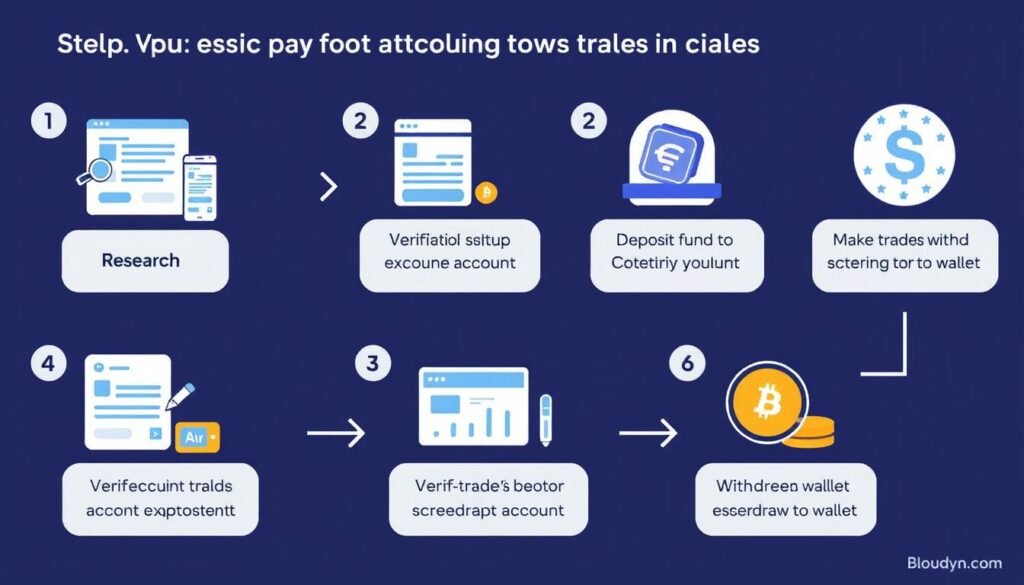
Based on the comparisons in this article, select an exchange that offers low fees and meets your security requirements. For beginners, Binance or Coinbase Pro often provide a good balance of usability and low fees.
Sign up for your chosen exchange and implement all available security measures, including strong passwords and two-factor authentication. Consider using a dedicated email address for your crypto activities.
Most reputable exchanges require identity verification to comply with regulations. While this takes time, verified accounts typically have higher withdrawal limits and better features.
Add funds to your exchange account using the method with the lowest deposit fees. Bank transfers are typically cheaper than credit card deposits, though they take longer.
Start with a small purchase to get comfortable with the platform. Consider using limit orders instead of market orders to qualify for maker fees, which are typically lower.
If you plan to trade regularly, consider purchasing the exchange’s native token if it offers fee discounts (like Binance’s BNB or FTX’s FTT).
For long-term holdings, transfer your cryptocurrency to a personal wallet. Time these withdrawals during periods of low network congestion to minimize network fees.
Ready to Start Your Low-Fee Crypto Journey?
Follow our beginner’s guide and create your first exchange account today.
Future Trends in Cryptocurrency Fee Structures
The cryptocurrency exchange landscape is constantly evolving, with fee structures changing in response to competition, regulatory developments, and technological innovations. Here are some emerging trends to watch:
Increased Competition Driving Fees Lower
As more exchanges enter the market and compete for users, we’re likely to see continued downward pressure on trading fees. This competition benefits traders and investors as exchanges look for ways to differentiate themselves beyond just low fees.
Rise of Decentralized Exchanges (DEXs)
Decentralized exchanges like Uniswap and SushiSwap operate without a central authority and often have different fee structures than centralized exchanges. While they currently often have higher fees due to blockchain transaction costs, layer-2 solutions are rapidly making DEXs more cost-effective.
Subscription-Based Models
Some exchanges are experimenting with subscription models where users pay a flat monthly fee for unlimited trading instead of per-transaction fees. This could be advantageous for very active traders.
Tokenized Fee Discounts
The trend of exchanges offering their own tokens that provide fee discounts is likely to continue and evolve, possibly with more sophisticated staking mechanisms that reward long-term holders with progressively lower fees.
Regulatory Impact
As cryptocurrency regulation develops globally, compliance costs for exchanges may increase, potentially putting upward pressure on fees. However, increased legitimacy may also bring more users to the space, allowing economies of scale.
“The future of cryptocurrency trading will likely see a bifurcation – extremely low or zero-fee models for basic trading, alongside premium services with added features that command higher fees.”
Conclusion: Maximizing Your Crypto Trading Efficiency
Finding platforms that allow you to buy and sell crypto with no-to-low fees is an essential strategy for maximizing your cryptocurrency investment returns. By understanding the different types of fees, comparing platforms, and implementing the strategies outlined in this guide, you can significantly reduce your trading costs.
Remember that while minimizing fees is important, it shouldn’t come at the expense of security, reliability, or functionality. The best approach is to balance fee considerations with other factors like security measures, available cryptocurrencies, liquidity, and user experience.
As the cryptocurrency ecosystem continues to evolve, staying informed about changing fee structures and new platforms will help you maintain a cost-efficient trading strategy. Whether you’re a day trader executing multiple transactions or a long-term investor making occasional purchases, minimizing fees will have a meaningful impact on your overall returns.
Start Saving on Crypto Trading Fees Today
Choose one of our recommended low-fee exchanges and take control of your cryptocurrency investment costs.
What is the cryptocurrency exchange with the lowest fees overall?
While Robinhood Crypto offers zero trading fees, Binance typically has the lowest overall fee structure among major exchanges when considering both trading and withdrawal fees, especially when using BNB for fee payments (0.075%). However, the “lowest fee” exchange depends on your specific trading patterns, volume, and the cryptocurrencies you’re trading.
Are there any hidden costs in “zero-fee” cryptocurrency platforms?
Yes, most “zero-fee” platforms make money through spreads (the difference between buy and sell prices), payment for order flow, or higher withdrawal fees. Always look at the total cost of trading, not just the advertised trading fee.
How can I avoid high withdrawal fees when moving crypto off exchanges?
To minimize withdrawal fees: 1) Choose exchanges with low withdrawal fees for your specific cryptocurrency, 2) Time withdrawals during periods of low network congestion, 3) Consider converting to a cryptocurrency with lower network fees before withdrawing, then converting back on a DEX, and 4) Make fewer, larger withdrawals instead of multiple small ones.